
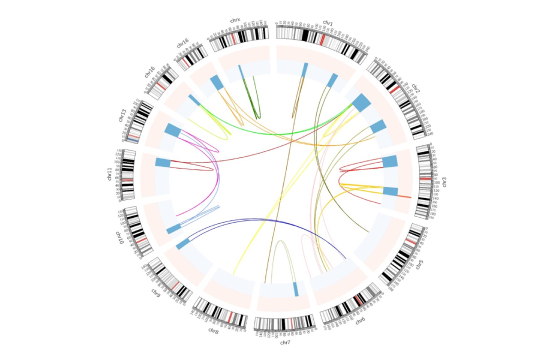
Direct Grant for Research 2019/2021 (4/6/2020) Chromosome insertions are known to cause human diseases but by conventional cytogenetics, the incidence is rare and estimated at 1 in 8,000 live births. However by genome sequencing, we discovered a novel type of insertion, which involves tandem repeat in the flanking regions of the insertion loci. This is… Read More »Comprehensive investigation of the underlined mechanism for a rare and novel replication insertion
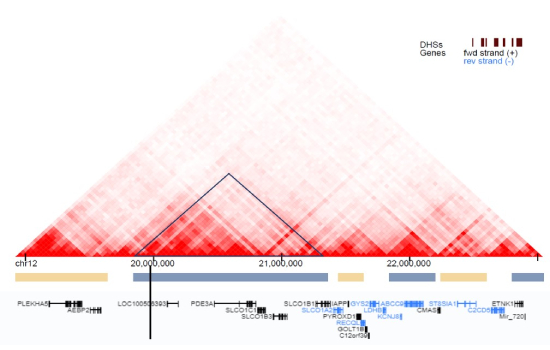
Investigation of underlying mechanisms of azoospermia in balanced chromosomal structural rearrangement carriers
Direct Grant for Research 2020/2021 (3/6/2021) The genetic landscape of male infertility is highly complex, with over 2000 genes involved in spermatogenesis. This study aims to investigate breakpoint junctions of apparently balanced chromosomal structural rearrangements of azoospermic males by genome sequencing. We hypothesize that molecular delineation of breakpoint junctions will enable discovery of gene disruption… Read More »Investigation of underlying mechanisms of azoospermia in balanced chromosomal structural rearrangement carriers
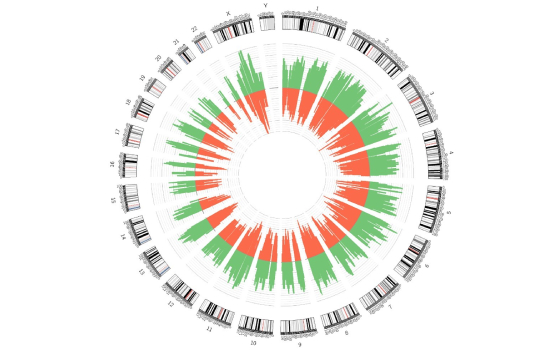
Low-pass genome sequencing-based detection of absence of heterozygosity: validation in clinical cytogenetics
Publication in Genetics in Medicine Published 26 March 2021 Absence of heterozygosity (AOH) is a genetic characteristic known to cause human genetic disorders through autosomal recessive or imprinting mechanisms. Low-pass genome sequencing enabled genome-wide detection of AOH at 5Mb resolution to detect clinically relevant aberrations. Our AOH detection algorithm was performed on genome sequencing data… Read More »Low-pass genome sequencing-based detection of absence of heterozygosity: validation in clinical cytogenetics
